What news do we have?

NEWS

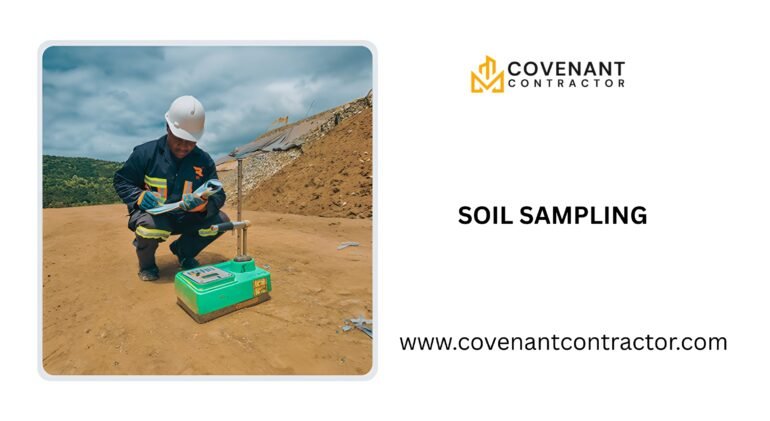
Soil Testing in Ghana: Building on Solid Ground with Covenant Contractor

Soil Testing in Ghana: Building on Solid Ground with Covenant Contractor At Covenant Contractor, we know that every lasting structure begins with a strong foundation — and that starts with proper soil testing. In Ghana’s diverse landscape, where soil conditions vary widely, testing the ground before construction is not just important — it’s essential. Why Soil Testing Matters Soil testing reveals the strength, stability, and composition of the ground. It helps determine whether the soil can safely support the weight of a structure, guiding key decisions in: Foundation design Material selection Budget planning Risk management Skipping this step can lead to structural damage, delays, or costly redesigns — problems we work hard to prevent. Ghana’s Soil Conditions From the lateritic soils of Accra and Kumasi to the clay-heavy soils found in other regions, each site presents unique challenges. That’s why Covenant Contractor ensures every project is backed by a thorough understanding of the land beneath it. Our Process We work with certified geotechnical labs to deliver reliable, science-based results. Our soil testing services include: On-site soil sampling Lab tests (CBR, moisture content, Atterberg limits, etc.) Professional reports and recommendations Custom foundation design solutions Build with Confidence Don’t leave your project to chance. Start with the ground — and start with us. 📞 Call us today: 0243262943 🌐 Visit us online: www.covenantcontractor24@gmail.com Website . www.covenantcontractor.com​​​ We build smart, safe, and strong — from the ground up
Continue Reading

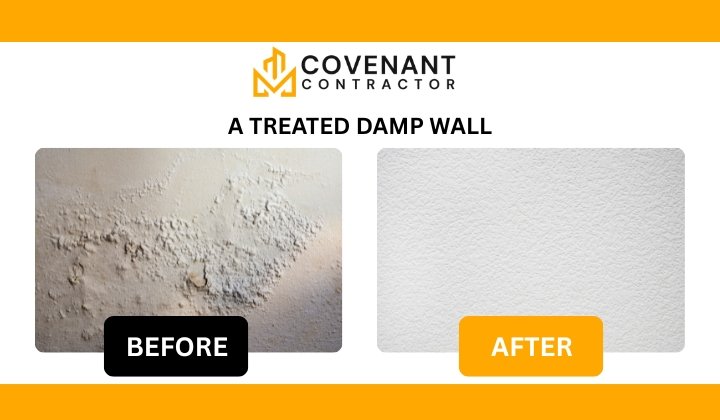
Say Goodbye to Wall Dampness

Say Goodbye to Wall Dampness — Covenant Contractor Has You Covered Covenant Contractor – We Fix It Right Wall dampness is when water or moisture gets into your walls and stays there. It can make your paint peel, cause mold to grow, and even damage the structure of your building. You might notice: Wet or cold patches on your wall Paint bubbling or falling off Mold or mildew (black or green spots) A musty or damp smell inside the room If you don’t treat it early, it can lead to serious damage and health problems. 🔍 What Causes Damp Walls? Here are the most common reasons for wall dampness: Rising damp: Water from the ground moves up into the wall Leaking pipes: Hidden plumbing leaks inside walls Rainwater seepage: Cracks or weak spots let rain into the wall Condensation: Poor ventilation causes moisture to collect on cold surfaces Bad materials: Low-quality cement or bricks soak up water How Covenant Contractor Fixes Dampness We offer complete solutions to remove damp and protect your building: Damp-Proofing: We inject a special chemical to block water from rising through the wall. External Waterproofing: We seal the outside of your walls so rainwater can’t get in. Leak Repairs: We find and fix leaking pipes inside walls that cause hidden dampness. Ventilation Improvements: We install air vents or exhaust fans to reduce indoor moisture. Replastering & Anti-Damp Painting: After fixing the cause, we repair the wall and apply paint that resists moisture and mold. Why Choose Covenant Contractor? Experts you can trust – We’ve helped many homeowners and businesses Complete service – From inspection to repair, we handle everything Fast & efficient – We respect your time and budget Affordable & reliable – Long-lasting work that saves you money Guaranteed results – Our work is backed by a warranty 📞 Contact Covenant Contractor Today! Don’t wait until it gets worse—let’s fix it now. 📞 Call/WhatsApp: 0243262943 📧 Email: covenantcontractor24@gmail.com 🌐 Website: www.covenantcontractor24@gmail.com Covenant Contractor Building Trust. Delivering Solutions.
Continue Reading

Taking Advantage of the Drop in the Dollar to Start Building

How Ghanaians Living Abroad Can Start Building Now: Taking Advantage of the Drop in the Dollar – By Covenant Contractor Introduction For many Ghanaians living abroad, building a home or investing in property back home is a dream deeply rooted in love for family, legacy, and a desire to reconnect with home. However, currency fluctuations and economic uncertainties have often made this dream feel distant. Today, the tides are shifting. With the recent drop in the US dollar and relatively stable Ghanaian cedi performance, this is a strategic moment to start building — and Covenant Contractor is here to walk with you every step of the way. Why the Drop in the Dollar Matters As the US dollar weakens, your foreign earnings carry more weight in Ghana. Simply put, your remittances can now cover more in local expenses — from purchasing land to beginning foundation work or roofing. This is a golden opportunity to stretch your funds further, reduce project costs, and accelerate your building plans. Why Start Now? 1. Maximize Currency Power The exchange rate is more favorable, allowing you to save thousands of cedis over the lifespan of a project. 2. Avoid Rising Building Costs Construction material prices are expected to rise due to global inflation and local supply pressures. Starting now means locking in prices while they’re still relatively affordable. 3. Secure Your Investment Land and real estate continue to appreciate in Ghana. The earlier you start, the more equity you build — not just a house, but wealth for your future. 4. Plan for Retirement or Relocation Building now allows you to plan ahead with peace of mind, whether you’re retiring in 10 years or planning to visit more often. How Covenant Contractor Makes It Easy for You At Covenant Contractor, we specialize in helping Ghanaians abroad build without stress, delays, or fear of being duped. Our commitment is built on trust, transparency, and results. ✅ Free Consultation We’ll help you map out a building plan based on your budget and timeline. ✅ Virtual Project Management You stay informed with regular video updates, reports, and virtual site tours — wherever you are in the world. ✅ Flexible Payment Plans We work with you to develop payment schedules that suit your monthly remittances or savings plan. ✅ End-to-End Construction Services From land documentation and architectural design to construction and finishing — we handle it all. Real Testimony, Real Results “I started my 3-bedroom house in Kasoa with Covenant Contractor while living in Italy. I was scared at first, but their transparency and weekly updates gave me confidence. In less than a year, my building is standing strong.” – Mrs. Akua O., Italy 🇮🇹 Let’s Build Together This is not just the right time — it’s the perfect time to take the first step. Let your earnings abroad start working for you at home. Don’t let this opportunity slip by. Contact Covenant Contractor Today: 📞 Phone: • Ghana: +233 24 326 2943 • Ghana: +233 57 900 0003 • Norway: +47 909 62 804 📧 Email: info@covenantcontractor.com 🌐 Website: www.covenantcontractor.com 📍 Office Address: No. 4 Gowa Close, Roman Ridge, Accra, Ghana 🔨 Covenant Contractor – Building with Integrity and Purpose
Continue Reading

Factors to Consider Before Planning to Build in Ghana

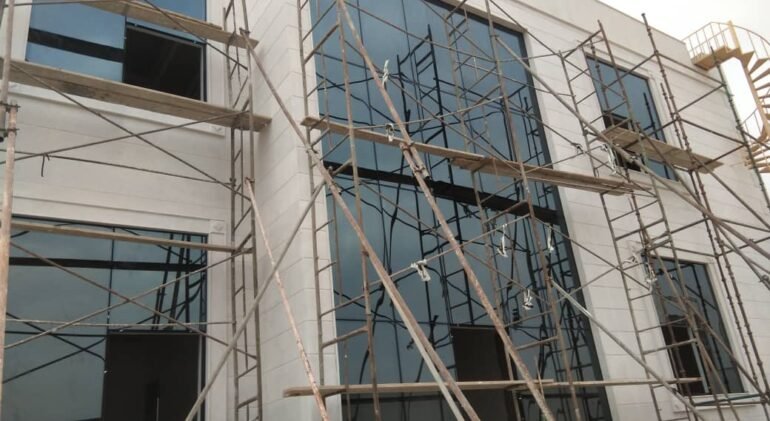
FACTORS TO CONSIDER BEFORE PLANNING TO BUILD IN GHANA Building a home or starting a construction project is an exciting and significant investment. Whether you are a seasoned contractor or a first-time builder, knowing the landscape, legalities, and local nuances can make the journey smoother. Ghana, with its rich cultural history, fast-growing economy, and expanding infrastructure, has become an attractive destination for real estate development. However, before you dive into your next project, there are several critical factors you should consider. As Covenant Contractors, we are dedicated to helping you navigate the complexities of building in Ghana. Legal and Regulatory Requirements Before you start construction in Ghana, it’s vital to understand the legal framework governing real estate development. This includes obtaining the right permits and adhering to building codes and standards. Some key legal considerations include: Land Ownership: In Ghana, land can be owned either by the state, private individuals, or customary owners. It’s important to verify land ownership and ensure the title deed is legitimate to avoid legal disputes down the road. Engage a legal professional to assist with land transactions. Building Permits: The local authorities, such as the municipal or district assembly, issue permits for construction. Ensure that you apply for and secure the necessary permits before starting any building work. Zoning and Land Use: Different areas have different zoning regulations that dictate what kind of buildings can be constructed. Ensure that your project aligns with the designated land use of the area. Environmental Impact Assessment (EIA): In some cases, especially for large-scale developments, an environmental impact assessment is required. This ensures that the project won’t harm the local ecosystem.  Understanding the Local Climate and Terrain Ghana has a tropical climate with distinct wet and dry seasons. The weather can have a significant impact on construction timelines and the materials you choose. Here’s what you need to know: Rainy Season: Heavy rainfall can delay construction activities, so it’s crucial to plan for this season, which typically lasts from April to October. It’s wise to schedule construction activities in the dry months to minimize disruptions. Soil Conditions: The soil type and terrain vary across the country. In certain regions, soil conditions may require additional foundation work, which could impact your budget and construction timeline. A proper site survey is essential to determine the soil’s suitability for the type of building you plan to construct. Access to Utilities and Infrastructure Access to utilities like water, electricity, and sewage systems can greatly affect your construction project. Here’s what to consider: Water Supply: Some areas in Ghana may have inconsistent water supply, so it’s important to check the local water situation. If you’re building in a rural area, you may need to invest in a borehole or water storage solutions. Electricity: Ghana’s power supply is generally stable in urban areas, but power outages are not uncommon, especially in rural or peri-urban areas. Ensure that your project incorporates backup power solutions like generators or solar panels. Sewage and Waste Management: The availability of sewage and waste management services can vary greatly depending on the location. For properties outside major cities, you may need to construct a septic tank or invest in waste management systems. Choosing the Right Materials The selection of building materials is a key aspect of construction in Ghana. While imported materials may be tempting due to their perceived quality, local materials often offer significant advantages: Cost-Effectiveness: Locally sourced materials, such as clay bricks, cement, and timber, can be more affordable and readily available. However, the cost of imported materials may fluctuate due to exchange rate changes and import duties. Durability and Sustainability: Consider using materials that are durable and suited to Ghana’s tropical climate. Materials like stone, reinforced concrete, and steel are often preferred for their strength and longevity. Sustainable materials, such as eco-friendly building blocks, are becoming increasingly popular and can contribute to reducing the environmental footprint of your project. Hiring Skilled Labor Skilled labor is essential for the successful completion of your construction project. In Ghana, there is a growing pool of qualified professionals, including architects, engineers, electricians, and plumbers. Here are a few tips for hiring the right team: Local Expertise: Hiring local contractors can help you save money and reduce logistics costs. They also bring invaluable knowledge of local building practices and materials. Professionalism: It’s crucial to vet the qualifications and reputation of your contractors. This includes checking their work history, past projects, and client reviews. Labor Availability: Depending on your location, the availability of skilled labor may be limited. Ensure that your labor force is well-equipped to handle the scale of your project. Budget and Financing Creating a realistic budget is one of the most important steps in planning a construction project. Ensure that you have accounted for all potential costs, including: Construction Costs: These include the cost of materials, labor, and other construction-related expenses. Contingency Fund: Unexpected costs can arise during construction. It’s always wise to set aside a contingency fund of at least 10-20% of your total budget. Financing: If you require financing, consider exploring the various options available in Ghana. Local banks offer loans for construction projects, but terms and interest rates may vary. Understand the costs and risks associated with financing before committing. Local Community and Cultural Considerations Ghana is a country rich in cultural diversity, and understanding local customs and traditions can play an essential role in ensuring the success of your project. Consider the following: Community Engagement: If your project is in a rural or semi-urban area, it’s a good idea to engage with the local community early in the planning process. Gaining their support can help prevent potential conflicts and delays. Cultural Sensitivity: Some communities in Ghana have specific building traditions or cultural practices that should be respected. Being aware of these traditions can help you avoid misunderstandings. Project Management and Timeframe Building in Ghana can be a time-consuming process, so effective project management is crucial. Delays caused by weather, supply chain issues, or labor shortages can
Continue Reading

Maintaining a house in Ghana

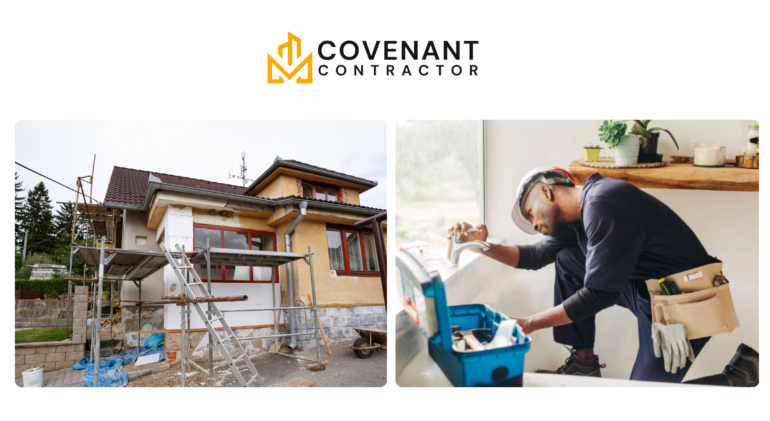
Maintaining a house in Ghana requires attention to specific challenges, such as the tropical climate, potential pests, and access to resources. Here’s a guide to help you maintain your home effectively: Structural Maintenance Inspect Regularly: Check for cracks in walls, leaks, or other signs of wear and tear. Repair issues promptly to prevent further damage. Roof Care: Ensure the roof is secure and waterproof, as heavy rains can cause leaks. Regularly clean and inspect the roof for damage or rust (especially if it’s metal). Foundation Checks: Look for water pooling around the house, which can weaken the foundation. Improve drainage systems if necessary.   Pest Control Prevent Infestations: Regularly fumigate or spray for pests like termites, cockroaches, and mosquitoes. Seal Openings: Block gaps or holes that allow pests to enter. Use screens for windows and doors. Proper Storage: Store food in sealed containers and dispose of waste properly to avoid attracting rodents and insects. Water System Maintenance Check Plumbing: Inspect pipes for leaks or blockages. Water wastage can increase utility costs and damage walls or floors. Clean Tanks: If you rely on water storage tanks, clean them periodically to prevent contamination. Electrical System Maintenance Professional Inspections: Have a licensed electrician inspect wiring and outlets to ensure safety and efficiency. Protect Appliances: Use surge protectors to guard against power fluctuations, which are common in Ghana. Outdoor Maintenance Clear Drainage: Ensure gutters and drains are clean and free from debris to prevent flooding during the rainy season. Yard Care: Regularly mow the lawn, trim bushes, and remove standing water to reduce mosquito breeding grounds. Cleaning and Ventilation Regular Cleaning: Dust and mop regularly to avoid the buildup of dirt and allergens. Improve Airflow: Open windows to allow fresh air and reduce mold or dampness. Consider installing ceiling fans or air conditioners for better circulation. Painting and Finishes Repaint Periodically: Paint helps protect walls from moisture and improves aesthetics. Use weather-resistant paint for the exterior. Protect Wooden Features: Treat wooden doors and windows with varnish to prevent damage from humidity and termites. Security Install Locks and Fencing: Ensure all doors and windows have secure locks. Consider installing burglar-proof bars or a fence for added protection. Outdoor Lighting: Use solar-powered or motion-sensor lights to illuminate the property at night. Plan for Emergencies Emergency Supplies: Have essential tools, flashlights, and first aid kits ready. Insurance: Consider home insurance to protect against damage from fire, floods, or theft. Stay Proactive Budget for Maintenance: Set aside funds for ongoing repairs and unexpected issues. Hire Professionals: For major repairs or installations, rely on skilled tradespeople to ensure quality work. Taking these steps will help you maintain your home in Ghana and ensure its longevity and comfort.
Continue Reading

Understanding Local Building Codes and Standards in Ghana

Understanding Local Building Codes and Standards in Ghana When planning a construction project in Ghana, whether it’s a residential home, a commercial building, or an infrastructural development, one of the most important aspects to consider is adhering to local building codes and standards. These codes are designed to ensure that buildings are safe, durable, functional, and environmentally responsible. They cover everything from design requirements to construction practices, ensuring the quality and integrity of structures. In this blog, we will dive into the importance of building codes in Ghana, the main regulations governing construction, and why it’s crucial to follow these standards. Why Are Building Codes and Standards Important? Building codes and standards serve as a guideline for ensuring the safety, stability, and sustainability of structures. In Ghana, these codes are set to protect the public from unsafe buildings that may pose health and safety risks. Construction standards also help reduce the likelihood of structural failures, natural disaster-related damages, and substandard living conditions. Some of the key reasons building codes are important include: Safety: The most crucial role of building codes is to ensure the safety of the occupants. Well-constructed buildings are more resilient to external factors like earthquakes, floods, and heavy winds. Durability: Codes ensure that materials and construction methods used are of a quality that can withstand wear and tear, extending the lifespan of buildings. Functionality: Proper adherence to building codes ensures that the design of the building serves its intended purpose—whether it’s for residential, commercial, or industrial use. Legal Compliance: In Ghana, it’s a legal requirement to follow these codes. Failure to comply can result in penalties, delays, or even the demolition of non-compliant structures. Environmental Considerations: Many building codes today incorporate sustainability standards to minimize the environmental impact of construction, such as energy efficiency and waste management. Overview of Ghana’s Building Codes and Standards The Ghanaian construction industry is governed by a number of standards and regulations aimed at safeguarding public safety and ensuring construction quality. These include: 1. The Ghana National Building Regulations (LI 1630) The key regulatory document for construction in Ghana is the National Building Regulations, also known as Legislative Instrument (LI) 1630. This set of laws was enacted in 1996 and outlines the minimum standards for building design, construction, and safety. The regulations cover a wide array of topics including: Building Design: This section specifies requirements for structural design, including how to design foundations, walls, and roofs based on local conditions. Material Specifications: Standards for the quality of materials used in construction, such as cement, timber, and steel. Building Permits and Approvals: Before construction can begin, a building permit must be obtained from the local municipal authority. This ensures that the proposed design meets the building codes and safety requirements. Safety and Fire Protection: The regulations include provisions for the installation of fire protection systems such as fire alarms, exits, and extinguishers, as well as structural considerations like fire-resistant materials. 2. The Ghanaian Standard (GSA) Codes In addition to the national building regulations, there are other relevant standards set by the Ghana Standards Authority (GSA). These standards relate to the quality of materials and practices used in construction. For instance, the GSA sets requirements for concrete mix ratios, steel grades, and other materials commonly used in construction. 3. The Environmental Protection Agency (EPA) Guidelines The Ghanaian Environmental Protection Agency (EPA) plays a crucial role in setting environmental standards for construction. These regulations ensure that construction practices are environmentally sustainable and that projects comply with national and international environmental guidelines. The EPA also requires Environmental Impact Assessments (EIAs) for certain types of projects, particularly large-scale developments. These assessments evaluate the potential effects a construction project may have on the environment, such as pollution, habitat destruction, and waste generation. 4. Local Planning and Zoning Laws Local planning and zoning laws also influence the design and construction of buildings in Ghana. Municipalities and districts typically have their own set of rules for what can be built in particular areas, including height restrictions, setback requirements, and land-use regulations. For example, commercial buildings may be restricted to certain zones, and residential areas may have rules about the types of structures allowed. These laws help regulate urban growth, prevent overcrowding, and ensure that different types of buildings are constructed in appropriate locations. 5. Health and Sanitation Codes Health and sanitation are an essential part of building codes. Regulations governing plumbing, waste management, ventilation, and sanitation are integral to ensuring that buildings are habitable and conducive to human health. This includes ensuring proper drainage, sufficient water supply, and proper waste disposal systems. Key Areas Covered by Building Codes in Ghana Some of the specific areas that building codes in Ghana focus on include: Structural Design: Ensuring that buildings are structurally sound and able to withstand external forces such as earthquakes, flooding, and wind. Electrical Safety: Setting out guidelines for electrical installations to prevent hazards such as electrical fires or electrocution. Accessibility: Ensuring that buildings are accessible to people with disabilities, which includes guidelines for ramps, door widths, and toilet facilities. Fire Safety: Providing guidelines for fire exits, fire suppression systems, and building materials that resist fire. Ventilation and Lighting: Ensuring that buildings are adequately ventilated and have sufficient natural lighting, which contributes to occupant health and well-being. Materials and Construction Techniques: Setting standards for the quality of materials and the techniques used in construction, ensuring that buildings are safe, durable, and cost-effective. The Role of Architects and Engineers in Ensuring Compliance To ensure compliance with building codes, it’s essential to engage qualified professionals, including architects, engineers, and contractors. These professionals are responsible for ensuring that the design and construction of the building adhere to the relevant codes and regulations. Architects provide the design, layout, and aesthetic features of the building while ensuring compliance with safety and accessibility regulations. Engineers focus on the structural integrity of the building, ensuring that it can withstand external forces and that all systems (electrical, plumbing, HVAC) meet code standards. Contractors are responsible for executing
Continue Reading
Cart (0 items)

Reset password

Enter your email address and we will send you a link to change your password.

Get started with your account

to save your favourite homes and more

Sign up with email

Get started with your account

to save your favourite homes and more

By clicking the «SIGN UP» button you agree to the Terms of Use and Privacy Policy
Powered by Estatik