Soil Testing in Ghana: Building on Solid Ground with Covenant Contractor

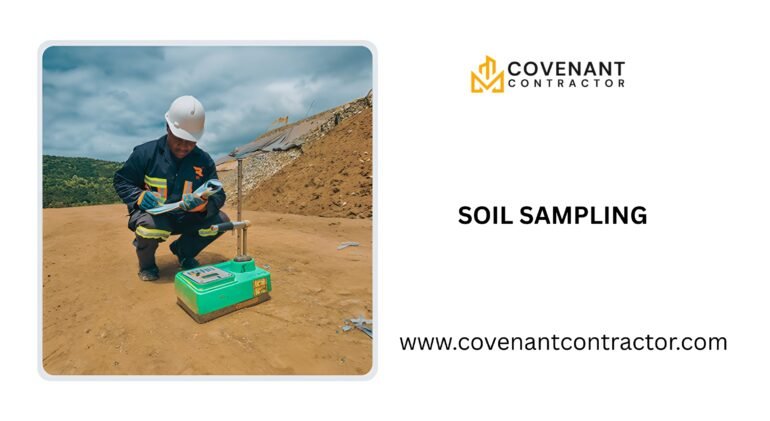
Soil Testing in Ghana: Building on Solid Ground with Covenant Contractor At Covenant Contractor, we know that every lasting structure begins with a strong foundation — and that starts with proper soil testing. In Ghana’s diverse landscape, where soil conditions vary widely, testing the ground before construction is not just important — it’s essential. Why Soil Testing Matters Soil testing reveals the strength, stability, and composition of the ground. It helps determine whether the soil can safely support the weight of a structure, guiding key decisions in: Foundation design Material selection Budget planning Risk management Skipping this step can lead to structural damage, delays, or costly redesigns — problems we work hard to prevent. Ghana’s Soil Conditions From the lateritic soils of Accra and Kumasi to the clay-heavy soils found in other regions, each site presents unique challenges. That’s why Covenant Contractor ensures every project is backed by a thorough understanding of the land beneath it. Our Process We work with certified geotechnical labs to deliver reliable, science-based results. Our soil testing services include: On-site soil sampling Lab tests (CBR, moisture content, Atterberg limits, etc.) Professional reports and recommendations Custom foundation design solutions Build with Confidence Don’t leave your project to chance. Start with the ground — and start with us. 📞 Call us today: 0243262943 🌐 Visit us online: www.covenantcontractor24@gmail.com Website . www.covenantcontractor.com​​​ We build smart, safe, and strong — from the ground up
Continue Reading

Say Goodbye to Wall Dampness

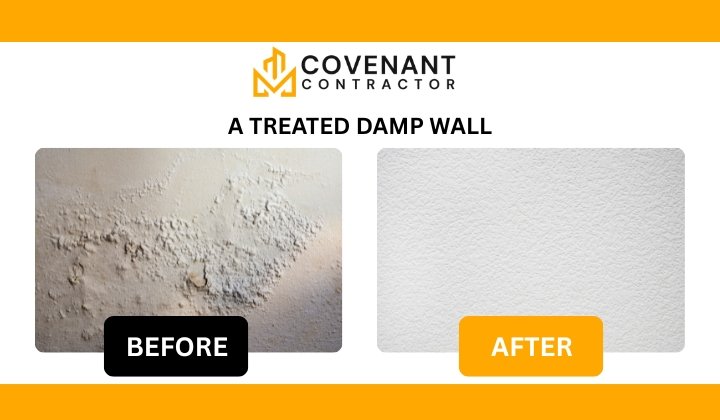
Say Goodbye to Wall Dampness — Covenant Contractor Has You Covered Covenant Contractor – We Fix It Right Wall dampness is when water or moisture gets into your walls and stays there. It can make your paint peel, cause mold to grow, and even damage the structure of your building. You might notice: Wet or cold patches on your wall Paint bubbling or falling off Mold or mildew (black or green spots) A musty or damp smell inside the room If you don’t treat it early, it can lead to serious damage and health problems. 🔍 What Causes Damp Walls? Here are the most common reasons for wall dampness: Rising damp: Water from the ground moves up into the wall Leaking pipes: Hidden plumbing leaks inside walls Rainwater seepage: Cracks or weak spots let rain into the wall Condensation: Poor ventilation causes moisture to collect on cold surfaces Bad materials: Low-quality cement or bricks soak up water How Covenant Contractor Fixes Dampness We offer complete solutions to remove damp and protect your building: Damp-Proofing: We inject a special chemical to block water from rising through the wall. External Waterproofing: We seal the outside of your walls so rainwater can’t get in. Leak Repairs: We find and fix leaking pipes inside walls that cause hidden dampness. Ventilation Improvements: We install air vents or exhaust fans to reduce indoor moisture. Replastering & Anti-Damp Painting: After fixing the cause, we repair the wall and apply paint that resists moisture and mold. Why Choose Covenant Contractor? Experts you can trust – We’ve helped many homeowners and businesses Complete service – From inspection to repair, we handle everything Fast & efficient – We respect your time and budget Affordable & reliable – Long-lasting work that saves you money Guaranteed results – Our work is backed by a warranty 📞 Contact Covenant Contractor Today! Don’t wait until it gets worse—let’s fix it now. 📞 Call/WhatsApp: 0243262943 📧 Email: covenantcontractor24@gmail.com 🌐 Website: www.covenantcontractor24@gmail.com Covenant Contractor Building Trust. Delivering Solutions.
Continue Reading

Taking Advantage of the Drop in the Dollar to Start Building

How Ghanaians Living Abroad Can Start Building Now: Taking Advantage of the Drop in the Dollar – By Covenant Contractor Introduction For many Ghanaians living abroad, building a home or investing in property back home is a dream deeply rooted in love for family, legacy, and a desire to reconnect with home. However, currency fluctuations and economic uncertainties have often made this dream feel distant. Today, the tides are shifting. With the recent drop in the US dollar and relatively stable Ghanaian cedi performance, this is a strategic moment to start building — and Covenant Contractor is here to walk with you every step of the way. Why the Drop in the Dollar Matters As the US dollar weakens, your foreign earnings carry more weight in Ghana. Simply put, your remittances can now cover more in local expenses — from purchasing land to beginning foundation work or roofing. This is a golden opportunity to stretch your funds further, reduce project costs, and accelerate your building plans. Why Start Now? 1. Maximize Currency Power The exchange rate is more favorable, allowing you to save thousands of cedis over the lifespan of a project. 2. Avoid Rising Building Costs Construction material prices are expected to rise due to global inflation and local supply pressures. Starting now means locking in prices while they’re still relatively affordable. 3. Secure Your Investment Land and real estate continue to appreciate in Ghana. The earlier you start, the more equity you build — not just a house, but wealth for your future. 4. Plan for Retirement or Relocation Building now allows you to plan ahead with peace of mind, whether you’re retiring in 10 years or planning to visit more often. How Covenant Contractor Makes It Easy for You At Covenant Contractor, we specialize in helping Ghanaians abroad build without stress, delays, or fear of being duped. Our commitment is built on trust, transparency, and results. ✅ Free Consultation We’ll help you map out a building plan based on your budget and timeline. ✅ Virtual Project Management You stay informed with regular video updates, reports, and virtual site tours — wherever you are in the world. ✅ Flexible Payment Plans We work with you to develop payment schedules that suit your monthly remittances or savings plan. ✅ End-to-End Construction Services From land documentation and architectural design to construction and finishing — we handle it all. Real Testimony, Real Results “I started my 3-bedroom house in Kasoa with Covenant Contractor while living in Italy. I was scared at first, but their transparency and weekly updates gave me confidence. In less than a year, my building is standing strong.” – Mrs. Akua O., Italy 🇮🇹 Let’s Build Together This is not just the right time — it’s the perfect time to take the first step. Let your earnings abroad start working for you at home. Don’t let this opportunity slip by. Contact Covenant Contractor Today: 📞 Phone: • Ghana: +233 24 326 2943 • Ghana: +233 57 900 0003 • Norway: +47 909 62 804 📧 Email: info@covenantcontractor.com 🌐 Website: www.covenantcontractor.com 📍 Office Address: No. 4 Gowa Close, Roman Ridge, Accra, Ghana 🔨 Covenant Contractor – Building with Integrity and Purpose
Continue Reading

The Role of Green Building Technology in Ghanaian Construction

The Role of Green Building Technology in Ghanaian Construction Green building technology is gradually gaining traction in Ghana as the construction industry faces challenges related to climate change, energy efficiency, waste management, and resource sustainability. Below are the key roles green building technology plays in Ghanaian construction: 1. Energy Efficiency Solar Power Integration: Solar panels are increasingly used to reduce reliance on the national grid and minimize energy costs. Energy-Efficient Appliances: Use of energy-efficient lighting (e.g., LED bulbs), air conditioning systems, and water heaters. Passive Design Principles: Natural lighting, ventilation, and shading are incorporated into building designs to reduce the need for artificial lighting and air conditioning. Impact: Reduced energy consumption and lower carbon footprint. 2. Sustainable Materials Locally Sourced Materials: The use of materials like bamboo, compressed earth blocks, and locally produced cement reduces environmental impacts from transportation. Recycled Materials: Incorporation of recycled steel, glass, and plastic reduces waste. Low-Carbon Cement Alternatives: Green cement technologies are being introduced to reduce carbon emissions during production. Impact: Reduced reliance on imported materials, minimized environmental damage, and support for local industries. 3. Water Management and Conservation Rainwater Harvesting Systems: Collecting and reusing rainwater for non-drinking purposes, such as flushing toilets and irrigation. Water-Efficient Fixtures: Installation of low-flow toilets, faucets, and showerheads. Greywater Recycling: Reusing water from sinks and showers for landscaping or flushing systems. Impact: Reduced water wastage and lower utility bills. 4. Climate Adaptation and Resilience Flood-Resistant Designs: Elevated foundations and better drainage systems are being integrated into building designs in flood-prone areas. Heat-Resistant Materials: Use of roofing materials and paints designed to reflect sunlight and reduce indoor temperatures. Natural Ventilation Systems: Strategic placement of windows, vents, and openings to encourage airflow. Impact: Increased resilience against extreme weather conditions and enhanced comfort in buildings. 5. Waste Reduction and Recycling Construction Waste Management Plans: Sorting and recycling construction debris rather than dumping it in landfills. Pre-fabricated Building Components: These reduce on-site waste and speed up construction. Biodegradable Building Materials: Use of materials that break down naturally without harming the environment. Impact: Reduced environmental pollution and lower cleanup costs. 6. Improved Indoor Environmental Quality Non-Toxic Materials: Use of paints, adhesives, and sealants with low volatile organic compounds (VOCs). Improved Ventilation Systems: Enhancing air quality with advanced HVAC systems. Natural Lighting: Maximizing daylight reduces the need for artificial lights and improves occupant well-being. Impact: Healthier living spaces and enhanced productivity. 7. Policy and Regulation Support The Ghana Green Building Council (GhGBC) promotes sustainable building practices and creates awareness about green technologies. Collaboration with international organizations like the International Finance Corporation (IFC) has introduced initiatives such as the EDGE (Excellence in Design for Greater Efficiencies) certification program. Some local municipalities are beginning to include green building requirements in permit approvals. Impact: A policy framework that supports green building adoption. 8. Cost Savings in the Long Run While initial costs of green technologies can be higher, long-term savings from reduced energy, water, and maintenance costs make them financially viable. Green-certified buildings often have higher property values and appeal to environmentally conscious buyers. Impact: Economic benefits over the building’s lifespan. 9. Awareness and Education Educational campaigns and training programs are increasing awareness about the benefits of green building practices. Architects, engineers, and construction workers are receiving training on green technologies and practices. Impact: A growing workforce skilled in sustainable construction methods. Challenges Facing Green Building Adoption in Ghana: High Initial Costs: Green technologies often require significant upfront investment. Limited Awareness: Many property owners are unaware of the long-term benefits of green buildings. Lack of Incentives: Few government incentives for adopting green construction practices. Limited Technical Expertise: A shortage of professionals skilled in green construction technologies. Future Outlook: The adoption of green building technology in Ghana is expected to grow, driven by: Increasing environmental awareness. Rising energy costs. Support from international organizations and local policies. Growth in green financing options. Green building technology is not just a trend; it’s becoming a necessity for sustainable urban development in Ghana. By addressing current barriers and promoting education and incentives, Ghana can make significant strides toward a more sustainable construction industry.
Continue Reading
Cart (0 items)

Reset password

Enter your email address and we will send you a link to change your password.

Get started with your account

to save your favourite homes and more

Sign up with email

Get started with your account

to save your favourite homes and more

By clicking the «SIGN UP» button you agree to the Terms of Use and Privacy Policy
Powered by Estatik