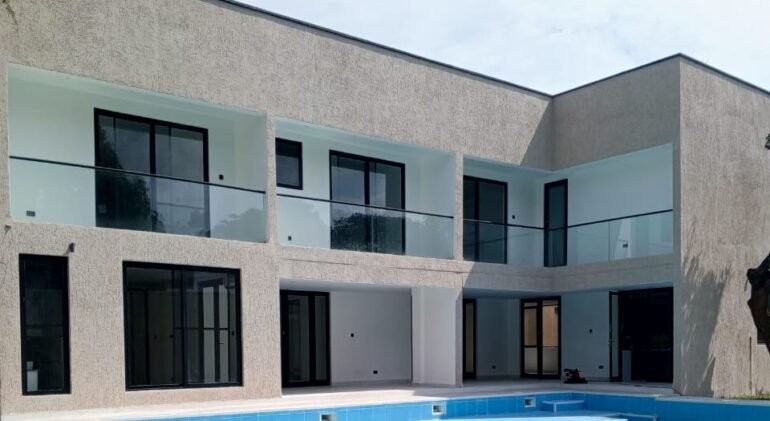
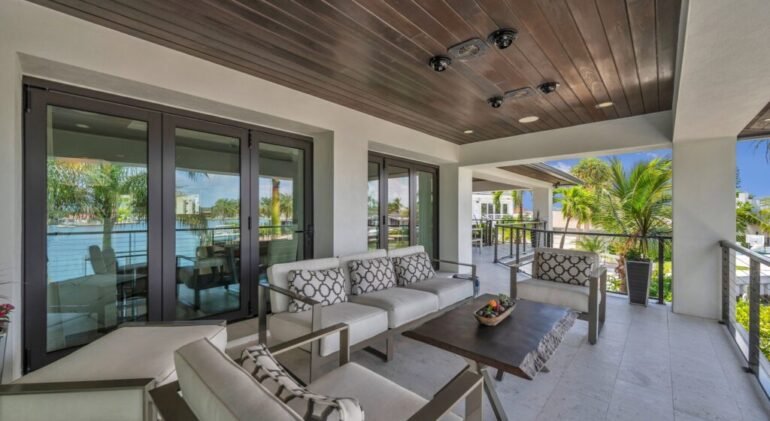
Home Elevation: Covenant Contractor’s Top Renovation Picks

At Covenant Contractor, we believe in creating spaces that are modern, functional, and sustainable. Here are the top home renovation ideas for 2025 that can transform your property into a stylish and energy-efficient haven: 1. Eco-Friendly Energy Solutions Reduce your energy bills and carbon footprint by integrating renewable energy solutions. Our Services: Installation of solar panels and energy storage systems. Solar-powered water heaters and LED lighting. Why It Matters: Reliable and sustainable energy solutions are the future, especially in Ghana, where solar energy is abundant. 2. Luxury Outdoor Living Spaces Extend your living space outdoors to embrace Ghana’s warm climate. Our Services: Designing patios, pergolas, and landscaped gardens. Creating outdoor kitchens, dining areas, and entertainment zones. Why It Matters: Outdoor spaces increase property value and provide a serene environment for relaxation and gatherings. 3. Modern Kitchen and Bathroom Upgrades Transform essential areas into luxurious, functional spaces. Our Services: Installation of granite countertops, modern cabinetry, and stylish backsplashes. Bathroom renovations with walk-in showers, sleek fixtures, and minimalist designs. Why It Matters: Kitchens and bathrooms are the heart of every home. Upgrading them significantly enhances your living experience and home value.   4. Smart Home Technology Make your home smarter with cutting-edge technology. Our Services: Installation of smart lighting, security cameras, and automated systems. Integration of voice-controlled assistants and remote management apps. Why It Matters: Smart homes provide convenience, security, and energy efficiency, making life easier and more enjoyable. 5. Sustainable Interior Designs Refresh your interiors with sustainable and stylish designs. Our Services: Use of eco-friendly materials like terrazzo, bamboo, and reclaimed wood. Space-saving furniture and natural ventilation systems. Why It Matters: A sustainable home not only looks great but also supports the environment and reduces long-term costs. At Covenant Contractor, we specialize in making your renovation dreams come true. Whether you’re upgrading for comfort, sustainability, or style, we’re here to guide you every step of the way. Contact us today to discuss your project and get a personalized renovation plan tailored to your needs. Visit us at www.covenantcontractor.com
Continue Reading

The Role of Green Building Technology in Ghanaian Construction

The Role of Green Building Technology in Ghanaian Construction Green building technology is gradually gaining traction in Ghana as the construction industry faces challenges related to climate change, energy efficiency, waste management, and resource sustainability. Below are the key roles green building technology plays in Ghanaian construction: 1. Energy Efficiency Solar Power Integration: Solar panels are increasingly used to reduce reliance on the national grid and minimize energy costs. Energy-Efficient Appliances: Use of energy-efficient lighting (e.g., LED bulbs), air conditioning systems, and water heaters. Passive Design Principles: Natural lighting, ventilation, and shading are incorporated into building designs to reduce the need for artificial lighting and air conditioning. Impact: Reduced energy consumption and lower carbon footprint. 2. Sustainable Materials Locally Sourced Materials: The use of materials like bamboo, compressed earth blocks, and locally produced cement reduces environmental impacts from transportation. Recycled Materials: Incorporation of recycled steel, glass, and plastic reduces waste. Low-Carbon Cement Alternatives: Green cement technologies are being introduced to reduce carbon emissions during production. Impact: Reduced reliance on imported materials, minimized environmental damage, and support for local industries. 3. Water Management and Conservation Rainwater Harvesting Systems: Collecting and reusing rainwater for non-drinking purposes, such as flushing toilets and irrigation. Water-Efficient Fixtures: Installation of low-flow toilets, faucets, and showerheads. Greywater Recycling: Reusing water from sinks and showers for landscaping or flushing systems. Impact: Reduced water wastage and lower utility bills. 4. Climate Adaptation and Resilience Flood-Resistant Designs: Elevated foundations and better drainage systems are being integrated into building designs in flood-prone areas. Heat-Resistant Materials: Use of roofing materials and paints designed to reflect sunlight and reduce indoor temperatures. Natural Ventilation Systems: Strategic placement of windows, vents, and openings to encourage airflow. Impact: Increased resilience against extreme weather conditions and enhanced comfort in buildings. 5. Waste Reduction and Recycling Construction Waste Management Plans: Sorting and recycling construction debris rather than dumping it in landfills. Pre-fabricated Building Components: These reduce on-site waste and speed up construction. Biodegradable Building Materials: Use of materials that break down naturally without harming the environment. Impact: Reduced environmental pollution and lower cleanup costs. 6. Improved Indoor Environmental Quality Non-Toxic Materials: Use of paints, adhesives, and sealants with low volatile organic compounds (VOCs). Improved Ventilation Systems: Enhancing air quality with advanced HVAC systems. Natural Lighting: Maximizing daylight reduces the need for artificial lights and improves occupant well-being. Impact: Healthier living spaces and enhanced productivity. 7. Policy and Regulation Support The Ghana Green Building Council (GhGBC) promotes sustainable building practices and creates awareness about green technologies. Collaboration with international organizations like the International Finance Corporation (IFC) has introduced initiatives such as the EDGE (Excellence in Design for Greater Efficiencies) certification program. Some local municipalities are beginning to include green building requirements in permit approvals. Impact: A policy framework that supports green building adoption. 8. Cost Savings in the Long Run While initial costs of green technologies can be higher, long-term savings from reduced energy, water, and maintenance costs make them financially viable. Green-certified buildings often have higher property values and appeal to environmentally conscious buyers. Impact: Economic benefits over the building’s lifespan. 9. Awareness and Education Educational campaigns and training programs are increasing awareness about the benefits of green building practices. Architects, engineers, and construction workers are receiving training on green technologies and practices. Impact: A growing workforce skilled in sustainable construction methods. Challenges Facing Green Building Adoption in Ghana: High Initial Costs: Green technologies often require significant upfront investment. Limited Awareness: Many property owners are unaware of the long-term benefits of green buildings. Lack of Incentives: Few government incentives for adopting green construction practices. Limited Technical Expertise: A shortage of professionals skilled in green construction technologies. Future Outlook: The adoption of green building technology in Ghana is expected to grow, driven by: Increasing environmental awareness. Rising energy costs. Support from international organizations and local policies. Growth in green financing options. Green building technology is not just a trend; it’s becoming a necessity for sustainable urban development in Ghana. By addressing current barriers and promoting education and incentives, Ghana can make significant strides toward a more sustainable construction industry.
Continue Reading

Permits and Approvals Required to Build a House in Ghana

Permits and Approvals Required to Build a House in Ghana Building a house in Ghana requires obtaining several permits and approvals to ensure compliance with legal, environmental, and safety standards. Below is an overview of the key permits and processes involved: Land Acquisition and Ownership Documentation Land Title Certificate or Deed: Verify the legal ownership of the land with the Lands Commission. Indenture Document: Ensure you have an indenture signed and stamped by the appropriate authorities. Survey and Site Plan: Get a licensed surveyor to prepare a site plan and have it authenticated by the Survey and Mapping Division of the Lands Commission. ✅ Authority Involved: *Lands Commission, Land Title Registry, and Survey Department 2. Zoning and Land Use Approval Ensure the land is zoned for residential purposes by checking with the Town and Country Planning Department (TCPD). Zoning approval ensures your building adheres to the area’s structural and environmental regulations. ✅ Authority Involved: Town and Country Planning Department (TCPD) 3. Building Permit Submit architectural and structural designs to the District/Municipal Assembly for approval. Documents usually required: Architectural drawings Structural drawings Site plan Survey plan Land ownership documents Pay the required fees for processing. A site inspection is often conducted before the permit is issued. ✅ Authority Involved: Local Municipal or District Assembly (Physical Planning Department) 4. Environmental Permit (if required) For larger projects or construction in environmentally sensitive areas, an Environmental Impact Assessment (EIA) may be required. Obtain an Environmental Permit from the Environmental Protection Agency (EPA). ✅ Authority Involved: Environmental Protection Agency (EPA) 5. Utility Connections Approvals Water Supply: Approval from the Ghana Water Company Limited (GWCL). Electricity Supply: Approval from the Electricity Company of Ghana (ECG) or the Northern Electricity Distribution Company (NEDCo). ✅ Authorities Involved: GWCL, ECG, NEDCo 6. Fire Safety Certificate For multi-story or commercial-residential buildings, a Fire Safety Certificate may be required from the Ghana National Fire Service (GNFS). Ensure fire safety measures (e.g., fire escapes, extinguishers) are included in your design. ✅ Authority Involved: Ghana National Fire Service (GNFS) 7. Construction Work Permit (if required) Some districts require an additional permit before actual construction can begin, especially for large-scale projects. ✅ Authority Involved: Local District Assembly 8. Post-Construction Occupancy Permit After construction is completed, the building must be inspected by municipal authorities to ensure it complies with approved plans and safety regulations. An Occupancy Permit will then be issued. ✅ Authority Involved: Local Municipal Assembly or Building Inspectorate Department Summary Checklist: Land Title Certificate Survey Plan and Site Plan Approval Zoning and Land Use Approval Building Permit Environmental Permit (if applicable) Utility Connections Approval Fire Safety Certificate (if applicable) Construction Work Permit (if applicable) Occupancy Permit Tips for Smooth Approval Process: Work with licensed professionals (e.g., architects, surveyors, and engineers). Submit complete and accurate documents to avoid delays. Follow up regularly with the respective offices to track progress. If you need details about any specific permit or step, feel free to contact us!
Continue Reading

Renovating a bathroom in Ghana

Renovating a bathroom in Ghana involves unique considerations due to the local climate, materials availability, infrastructure, and cultural preferences. Below are key factors to consider: 1. Budgeting and Planning Set a Realistic Budget: Include costs for materials, labor, fixtures, plumbing, tiling, and unexpected expenses. Obtain Multiple Quotes: Compare prices from multiple contractors and suppliers. Permit and Regulations: Check with local authorities for any necessary building permits or regulations. 2. Climate and Ventilation Humidity and Heat: Ghana’s tropical climate means bathrooms are prone to mold and mildew. Use moisture-resistant paint and tiles. Proper Ventilation: Install exhaust fans or large windows to ensure good airflow and reduce moisture buildup. Waterproofing: Ensure the bathroom is properly sealed, especially around shower areas and floors. 3. Plumbing and Water Supply Water Pressure and Supply: Verify consistent water supply and adequate pressure. Consider installing a water tank or booster pump if needed. Quality Pipes and Fixtures: Use corrosion-resistant materials such as PVC or PEX pipes. Drainage System: Ensure proper slope for water drainage to avoid stagnant water. 4. Electrical Work Safety First: Use water-resistant light fittings and electrical outlets (IP-rated fixtures). Backup Power: Plan for potential power outages; consider solar-powered lights or backup batteries. GFCI Outlets: Install Ground Fault Circuit Interrupter (GFCI) outlets for added safety. 5. Material Selection Tiles: Opt for non-slip tiles for floors and moisture-resistant tiles for walls. Fixtures: Invest in high-quality faucets, showerheads, and sanitaryware to prevent frequent replacements. Countertops: Use durable materials like granite or quartz. 6. Skilled Labor Hire Professionals: Work with experienced plumbers, electricians, tilers, and contractors. Check References: Verify previous work before hiring. 7. Storage and Layout Space Utilization: Optimize small spaces with wall-mounted cabinets and floating vanities. Adequate Storage: Ensure enough storage for toiletries and towels. Accessibility: Design with accessibility in mind, especially for elderly or disabled users. 8. Water Efficiency Low-Flow Fixtures: Install water-saving taps, showerheads, and dual-flush toilets. Water Recycling Systems: Consider greywater recycling for sustainable use. 9. Aesthetic and Style Local Design Preferences: Incorporate cultural design elements if desired. Neutral Colors: Choose timeless designs and neutral color palettes to ensure long-term appeal. Lighting: Use layered lighting (task, ambient, and accent) for functionality and mood. 10. Maintenance and Durability Easy-to-Clean Surfaces: Choose low-maintenance materials for countertops, tiles, and fixtures. Sealants: Use high-quality silicone sealants around sinks and tubs. Routine Checks: Schedule regular inspections for leaks or wear and tear. 11. Environmental Impact Energy Efficiency: Use LED lighting and energy-efficient water heaters. Sustainable Materials: Opt for locally sourced and environmentally friendly materials. By carefully planning and working with reliable professionals, you can ensure your bathroom renovation in Ghana is both functional and aesthetically pleasing while addressing local challenges effectively.
Continue Reading
Cart (0 items)

Reset password

Enter your email address and we will send you a link to change your password.

Get started with your account

to save your favourite homes and more

Sign up with email

Get started with your account

to save your favourite homes and more

By clicking the «SIGN UP» button you agree to the Terms of Use and Privacy Policy
Powered by Estatik